Editor’s Note: This exchange is part of a series of brief interviews with emerging writers of recent or forthcoming books. If you enjoyed it, please visit other interviews in the I’ve Got Questions feature.
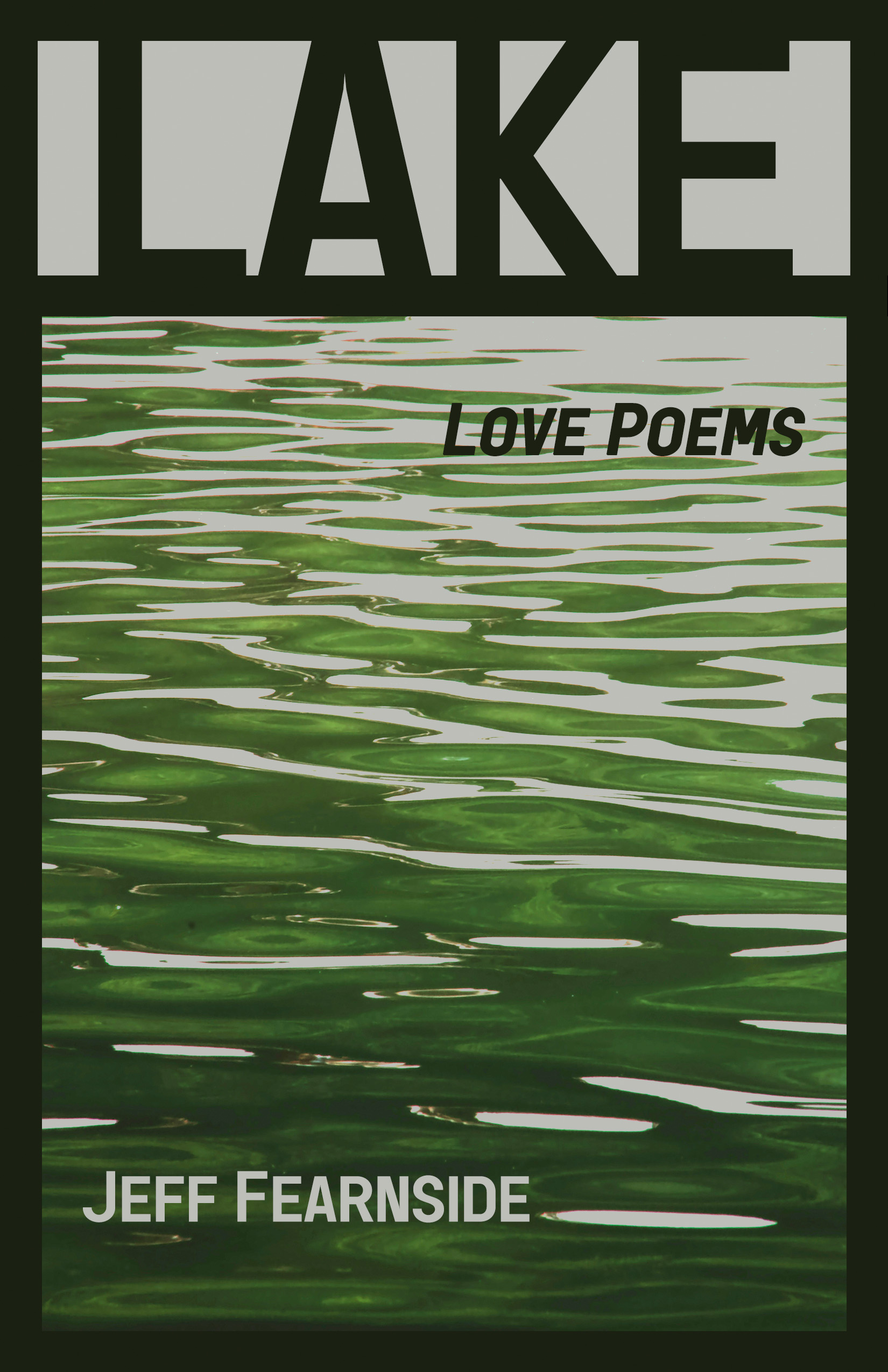
What’s the title of your book? Fiction? Nonfiction? Poetry? Who is the publisher and what’s the publication date?
My latest book is titled Lake: Love Poems—a poetry collection, obviously. It’s being published by a wonderful press out of the University of Wisconsin–Stevens Point, Cornerstone Press. I can hardly say enough good things about them. It’s been a huge pleasure working with them, and I’m happy to say they’ve been earning some tremendous recognition for their work. My book was just released along with ten other titles in their Portage Poetry Series on Sept. 15, 2026.
In a couple of sentences, what’s the book about?
Lake: Love Poems is both a memoir-in-poems and a poetry travelogue. Rooted strongly in the concept of place, in both urban and natural environments, its verses move from post-Soviet Central Asia, where I lived for four years, to Oregon, my home for the past thirteen years, everything connected by the thread of my courtship with and marriage to my life partner.
What’s the book’s genre (for fiction and nonfiction) or primary style (for poetry)?
The primary mode of this collection is free verse, comprised of both narrative and lyric poems, though it also includes poems in syllabic verse, a couple of double sonnets, a villanelle, and even a section of somonka, a Japanese epistolary form that’s traditionally an exchange between different authors, a statement of love and a response, but which I adapted to be between different elements in natural and manmade environments. But again, most of the poems are rendered in free verse.
What’s the nicest thing anyone has said about the book so far?
I was really fortunate to have a number of top-notch poets read the book ahead of its publication date, and they all had beautiful and thoughtful things to say—I wish I could acknowledge them all here. People will just have to get the book to read the endorsements in full! Each struck on aspects of the text I hoped would come out, but Irene Cooper’s words perhaps best spoke to the overall arc of the book: “the poems are head over heels for the world and its denizens, mammal and avian, monument and astral.” Jennifer A. Reimer noted, “this collection reimagines the love poem as an act of attention, responsibility, and radical care.” In both cases, that’s exactly what I hoped for! These are love poems, but not in any traditional way. They are about love of a person, yes, but also love of place, love of nature, and—in the section of somonka—different aspects of nature in love with each other. In other words, the world, even the hard parts. Love is the throughline that connects everything.
What book or books is yours comparable to or a cross between? [Is your book like Moby Dick or maybe it’s more like Frankenstein meets Peter Pan?]
Perhaps Sonnets from the Portuguese meets Frankenstein! Or Leaves of Grass meets something by Billy Collins, with a dash of E. E. Cummings mixed in.
Why this book? Why now?
Why did I write a book of love poems now, when the world is seemingly on fire in so many ways? It was simply one of the most necessary acts I could do. I mean, I can become paralyzed by all the dark things happening on the planet now—the rampant environmental destruction, the many wars and genocides, the rise of a technocracy that seems to want to undermine human will in order to engorge itself—or I can do what I do, which is write, and try to create something that both calls attention to the darkness and also acts as an antidote to it by being of the light, which love is.
Other than writing this book, what’s the best job you’ve ever had?
Do you remember the old Peace Corps advertising recruitment slogan, “The Toughest Job You’ll Ever Love”? It was big on television when I was a kid. I don’t think it was being used anymore when I joined the Peace Corps, but it always stuck with me, and I agree with it to this day—Peace Corps was the toughest job I’ve loved! Yes, we were volunteers in the sense that we weren’t drawing a salary more than to pay for our basic living expenses, but it was a job just the same, and it was everything you want a job to be: challenging, rewarding, offering opportunities to use your skills and also to grow in equal measures. Adjusting to the cultural differences in a post-Soviet country could be hard, but it was the single greatest experience of my life, and I wouldn’t trade it for anything.
What do you want readers to take away from the book?
That the world is multifaceted and small and love is multifaceted and big.
What food and/or music do you associate with the book?
The food and music of Central Asia! Skewers of lamb shashlyk, bowls of plov, plates of blini smothered in sour cream and homemade jam, big thick rounds of chewy lepyoshka bread, and pots of green tea! A feast of comfort food. If my book were to have a soundtrack, it would be of a single dombra player plucking and strumming his two-stringed lute in the manner of a horse galloping across the steppe, or occasionally in the manner of a slow river, interspersed with the Turkish pop, Russian rock, and Euro beats popular in Central Asia twenty years ago.
What book(s) are you reading currently?
I just finished a novel by Wendy J. Fox, The Last Supper, which came out earlier this year from SFWP. This story of an overstressed and underappreciated stay-at-home mom is, like all of Wendy’s books, multilayered, perceptive, and witty. I’m writing a review of it now. I’m also halfway through a new collection of poems by Peter Markus, The River at the End of the River from Dzanc Books, which feels like an extension of his previous book, When Our Fathers Return to Us as Birds from Wayne State University Press, which I also enjoyed very much. Other than that, the work highest on my reading list is what I need for my writing classes this fall. I’m teaching an Advanced Poetry Workshop for my MFA students and a Nature Writing class for my undergraduate Honors students, so I’ve got readings lined up by all kinds of classic and contemporary writers, from Elizabeth Barrett Browning to Jericho Brown, from Kim Addonizio to Joe Wilkins, and many, many more.
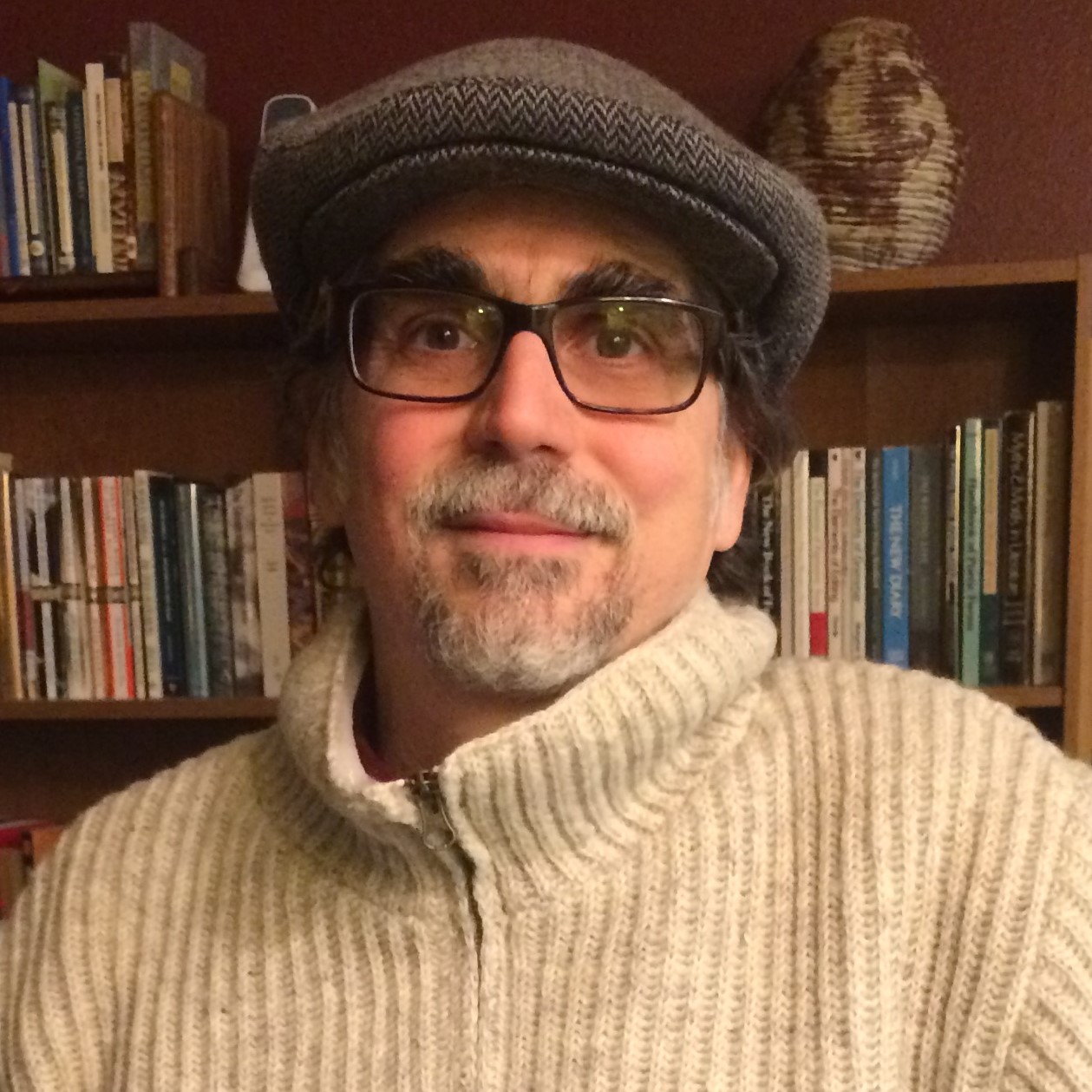
Learn more about Jeff on his website.
Buy the book from Bookshop.org or Amazon.com.